Article
Longines Wear Edit: How to Style & Verify the Wheat Grain Dial Master and Blue Steel Hands
Quick Questions
Ever wonder if your Longines Master Collection with its wheat grain dial is the real deal? -
How can you tell if those blue steel hands are authentic or just a clever fake? -
Is there a simple way to verify your warranty card and serial number match perfectly? -
What should you look for when checking the case back engraving on a Longines Conquest? -
Can a water drop test really confirm a sapphire crystal on your Longines? -
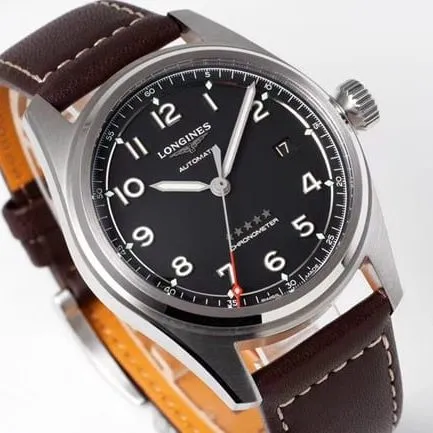
When you slip on a Longines, you're not just wearing a timepiece; you're wearing a piece of horological art. The Master Collection's wheat grain dial, with its intricate texture, catches light in a way that feels both classic and contemporary. And those blue steel hands? They're not just functional; they're a signature style statement that elevates any outfit, from boardroom suits to weekend casuals.
But let's be real—when you're investing in a watch that looks this good, you want to be sure it's the genuine article. That's where knowing your stuff comes in handy. Start with the warranty card. On a real Longines, the model and body number on the card should match the numbers engraved on the case back. If they don't line up, that's a red flag waving right at you.
Next, take a close look at the craftsmanship. Genuine Longines engravings on the case back are crisp and clear—the fonts and logo are sharp, with no blurry edges. Fakes often have rough, uneven lettering that looks like it was done in a hurry. It's a small detail, but it makes a world of difference in how the watch feels on your wrist.
The sapphire crystal is another telltale sign. Real sapphire is incredibly scratch-resistant, and you can test it with a simple water drop. Place a droplet on the crystal—if it stays in a neat bead and doesn't scatter, you're likely looking at genuine sapphire. If it spreads out, that's a sign of a cheaper material, and you might want to have it checked by a professional.
Inside, the movement tells its own story. A legitimate Longines automatic movement will have a clean, polished finish, with the trademark logo visible on the rotor or bridges. Fakes often have messy internals—maybe some stray copper pieces, hair, or even fingerprints—and the logo might be poorly stamped or just a cheap sticker. That's a deal-breaker.
Finally, think about how the watch wears. The case proportions should feel balanced, the bezel on a Conquest should rotate smoothly, and the overall weight should feel substantial. If something feels off, it probably is. Trust your instincts, and when in doubt, take it to a reputable watchmaker for a second opinion.
More Questions About Longines Master Collection Wheat Grain Dial
How much does a genuine Longines Master Collection with wheat grain dial cost? -
Is it worth buying a Longines replica for daily wear? -
Where can I buy a Longines watch with blue steel hands online? -
What is the best way to authenticate a Longines warranty card? -
How can I check if my Longines serial number is real? -
Does the Longines Master Collection have a sapphire crystal? -
What is the water drop test for sapphire crystals and does it work? -
How can I tell if my Longines blue steel hands are fake? -
What are the common signs of a fake Longines Conquest? -
How does a Longines automatic movement compare to a quartz one? -
What is the power reserve of a Longines Master Collection watch? -
Is it safe to buy a Longines from an online marketplace? -
Can I get my Longines serviced at any watch repair shop? -
How often should I wind my Longines automatic watch? -
What is the difference between Longines Master and Conquest series? -
Are Longines watches a good investment for resale? -
How can I verify the case back engraving on my Longines? -
What does the wheat grain dial look like up close? -
Do Longines watches hold their value over time? -
How can I spot a fake Longines without opening the case? -