Article
Collectible Watches: How Much to Spend on Your Next Wearable Investment
Quick Questions
Ever wondered how much you should budget for a collectible watch that feels like the real deal? -
Is the movement more important than the dial when picking a high-end replica? -
Which factory—N or V6—actually delivers the best value for your money? -
Can a well-maintained replica watch last for years if you treat it right? -
Are you paying for the name or the craftsmanship when you choose a large-factory piece? -
When you're eyeing a collectible timepiece, the price tag can feel like a puzzle. You want something that looks sharp, feels solid, and won't fall apart after a month. But how much is too much, and how little is too little? Let's break it down in a way that makes sense for your wrist and your wallet.
Start with the Movement: The Heart of the Watch
Think of the movement as the engine under the hood. You might love a flashy dial, but if the movement isn't reliable, you'll be stuck with a pretty paperweight. Most top-tier collectible watches rely on either domestic movements, Seagull calibers, or Hangzhou options. Each has its own personality—some are smoother, others are more robust. For a daily wearer, a Seagull movement often gives you that dependable, automatic feel without constant winding.
Dial, Case, and That Satisfying Click
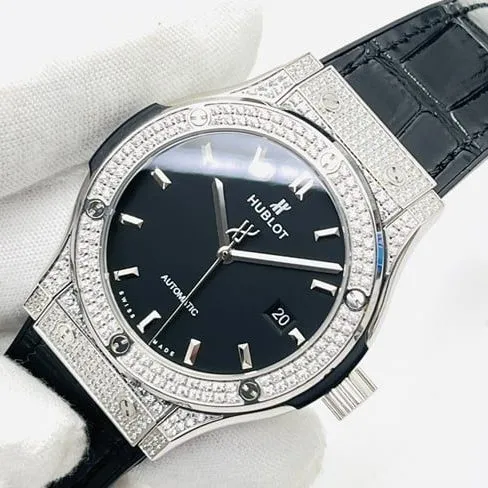
Beyond the movement, the dial and case are what you see every time you glance at your wrist. High-end factories like N Factory or V6 Factory invest heavily in replicating the exact fonts, indices, and even the bezel click resistance. That tactile click isn't just for show—it mimics the original's feel, making the watch more immersive. The case material matters too; 316L steel is the standard, but some models offer gold plating or ceramic bezels for extra flair.
Choosing Your Factory: N vs. V6
Not all factories are created equal. N Factory is often praised for its attention to detail, especially on complex dials, while V6 Factory excels in durability and movement finishing. If you're torn, consider what you value more: perfect aesthetics or long-term reliability. Both are solid choices, but your budget and preferences will tip the scale.
Post-Sale Support and Maintenance
A watch isn't a one-and-done purchase. You need a seller who's got your back after the sale. Look for someone who explains how to wind, set, and care for your movement. A good seller will also tell you when to service it—usually every 3-5 years—to keep it ticking smoothly. Skipping this step is like never changing your car's oil; eventually, it'll cost you.
Your Ideal Price Range
So, how much should you spend? Entry-level collectibles from reputable factories start around $200, but the sweet spot for a genuinely impressive piece is often $300-$500. At that price, you're getting a reliable movement, solid materials, and craftsmanship that stands up to scrutiny. Anything less might cut corners, and anything more could be overpaying for marginal gains.
Making It Last
Once you've got your watch, treat it right. Avoid extreme temperatures, keep it away from magnets, and clean the leather strap occasionally. With proper care, your collectible can be a faithful companion for years—and a conversation starter at every gathering.
More Questions About Collectible Watches
How much does a quality collectible watch really cost in 2025? -
Is it worth paying extra for a V6 Factory version over N Factory? -
What movement—Seagull or Hangzhou—offers better long-term performance? -
How can you tell if your watch's bezel click is up to par? -
Where is the best place to buy a collectible watch that won't disappoint? -
How accurate is a Seagull movement in daily use? -
What case size suits most wrist types for a collectible piece? -
Are leather straps a good choice for everyday wear on a replica? -
How does a V6 Factory watch compare to the authentic model? -
What's the best way to maintain a mechanical movement at home? -
Can you swim with a collectible watch rated at 50 meters? -
How thick is too thick for a dress-style collectible watch? -
What dial colors hold their value best in the resale market? -
Is a gold-plated case durable enough for daily use? -
How do you spot a high-quality replica versus a cheap knockoff? -
What strap material offers the best comfort for all-day wear? -
Does a collectible watch come with original packaging and papers? -
How often should you service a mechanical replica movement? -
Is the N Factory's attention to detail worth the higher price? -
What's the best way to store a collectible watch when not wearing it? -