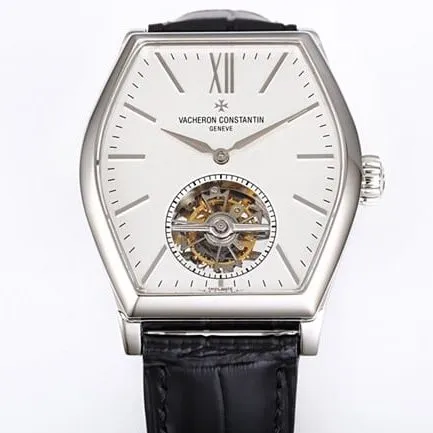
Article
Swiss Movement & Watch Grades: Your Wear Edit for Everyday Precision
Quick Questions
Ever wondered how watch grades really stack up for daily wear? -
Is a Swiss movement inside a replica worth the extra cost? -
How do you spot a top-tier case from a casual lookalike? -
What does "1 to 1" actually mean when you're shopping for a watch? -
Can a replica truly match the feel of the original on your wrist? -
When you're eyeing a new timepiece, the grade of the watch can make or break your experience. You want something that looks sharp, feels solid, and keeps ticking reliably. Let's walk through the tiers so you know exactly what you're getting—no jargon, just straight talk.
Top-Tier: Swiss Movement, 1:1 Appearance
At the peak, you get a watch that's nearly indistinguishable from the original. The case is crafted with millimeter-level precision, using custom materials that mimic the authentic model. The real kicker? It houses a genuine Swiss ETA movement—the same workhorse you'd find in many luxury watches. Functionally, there's zero compromise; you won't notice any difference from the original. For budget reasons, some versions use an unpolished or lower-grade ETA, but the performance stays spot-on. This isn't a bargain-bin find; it's a premium choice for those who demand excellence.
Second Tier: Fine Imitation with Laser-Molded Cases
Often called "one-to-one A-grade," this level focuses on the case. The shells are made using computer laser molds that replicate the original's dimensions to a T. These molds are expensive, so factories only invest in popular styles—you won't see every model under the sun. The case quality is top-notch, but the movement is typically a domestic or Japanese automatic. It's a great middle ground if you want the look without the Swiss price tag.
Third Tier: Ordinary Imitation
This is where variety explodes. You'll find everything from Patek Philippe to niche brands, often assembled in small workshops. The molds are less precise, so the case might not match the original's exact proportions, and the dial details can be slightly off. Movements are usually from Pearl, Tianjin, or Beijing, with quartz options too. Cases are stainless steel or alloy electroplated—just know that alloy molds are cheaper, which reflects in the final product.
Fourth Tier: Fantasy and Loose Replicas
At the bottom, you get watches that don't even try to copy a specific original. They might slap a recognizable logo on a completely different design. The craftsmanship is similar to the third tier, but the style isn't faithful to any genuine model. If you're after authenticity, steer clear.
How to Judge Grade by the Movement
A quick way to assess a watch is to peek at its movement. A Swiss ETA indicates a high-quality build, while a domestic movement suggests a lower tier. Look for the fine details—case finishing, dial printing, and overall heft. These tell you more than any label.
More Questions About Swiss Movement Watches
Is a Swiss movement replica better than a Japanese one? -
How much does a top-grade Swiss movement watch cost? -
Can you tell a Swiss movement by looking at it? -
What's the difference between polished and unpolished ETA movements? -
Are these watches worth the investment for daily wear? -
Where can I buy a high-grade Swiss movement replica? -
How long does a Swiss ETA movement last? -
Do these watches need special maintenance? -
How close is the case to the original in hand? -
What are the best brands for Swiss movement replicas? -
Is a 1:1 Swiss movement watch waterproof? -
How do I verify the movement is genuine Swiss? -
What's the resale value of a Swiss movement replica? -
Can I upgrade the movement in a lower-grade watch? -
How does a Swiss movement compare to a clone movement? -
Are there any visual cues to spot a replica Swiss movement? -
What's the best way to wind a Swiss ETA movement? -
Why do some replicas use unpolished movements? -
Is a Swiss movement watch more accurate than a quartz? -
How do I choose between a Swiss and a Japanese movement? -