Article
Case Shape & Dial Details: How to Pick a Sharp-Looking Watch for Everyday Wear
Quick Questions
Ever wonder why some watches just look more refined on the wrist? -
What makes a case silhouette feel sporty one minute and dressy the next? -
Are dial details really the secret to a premium feel? -
How do you spot a well-crafted watch without opening the case? -
Want a daily beater that still turns heads? -
When you slide a watch onto your wrist, the first thing anyone notices is the shape of the case and the story the dial tells. These two elements do the heavy lifting when it comes to that expensive vibe. At USATWO Watches, we see watches as wearable pieces of attitude—not just timekeepers. So, let’s break down what makes a case look sharp and a dial feel detailed, so you can pick a piece that fits your lifestyle.
The Case: Your Wrist’s Architect
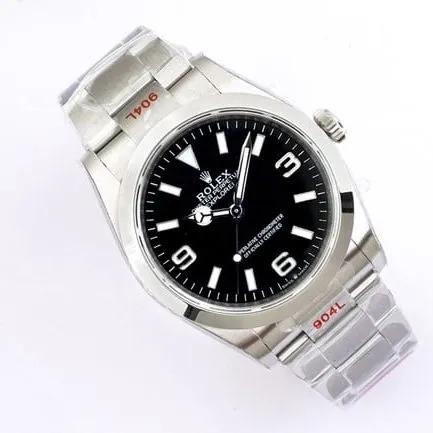
The case sets the entire personality of the watch. A chunky, angular case screams sporty and adventurous, perfect for weekends or gym sessions. A slim, rounded profile feels dressy and refined, slipping under a cuff with ease. The finishing matters too—brushed surfaces catch light differently than polished ones, adding depth that makes the watch pop. Look at the lugs: how they curve and taper directly affects how the watch sits on your wrist. A well-designed case hugs the wrist, not floats on it.
The Dial: Where Details Do the Talking
Dial details are like the fingerprint of a watch—they make it unique. Check the hour markers: applied indices (those little metal pieces) catch light and add dimension, while printed ones look flat. The texture of the dial—sunburst, matte, or guilloché—changes the whole mood. Date windows, subdials, and even the font of the logo all contribute to that “expensive” look. When you’re browsing, hold it at an angle: a quality dial will play with light, revealing layers and craftsmanship that cheap pieces miss.
What’s Under the Hood: Movement Basics
While case and dial are the stars, the movement keeps things ticking. In the replica world, you’ll hear terms like Pearl, Dandong, or Nanning—these are budget movements that get the job done but lack precision. Step up to fine imitations or cutting-edge replicas, and you’ll find Seagull, Hangzhou, or 9015 movements. These are smoother, more reliable, and mimic the original’s performance better. The best replicas often use genuine Swiss ETA or SW movements—those are the ones that really blur the line. So, when you’re shopping, ask what’s inside; it says a lot about the overall quality.
How to Spot Quality at a Glance
Here’s a quick checklist for your next watch hunt: First, run your finger along the case—sharp edges feel crisp, not rough. Second, look at the dial under a bright light—does the finish look deep or cheap? Third, check the alignment of the date and markers—even a small misalignment screams low quality. Fourth, listen to the tick—a smooth sweep (or a quiet, consistent tick) is a good sign. Finally, consider the weight: a solid case and decent movement give the watch a satisfying heft.
Why It Matters for Your Style
Choosing a watch isn’t just about specs—it’s about finding a piece that matches your vibe. A sporty case with a bold dial works for casual outfits and outdoor adventures. A dressy case with a clean, simple dial elevates office wear or evening events. And if you’re like most of us, you want one watch that does both. That’s why at USATWO Watches, we focus on designs that balance case shape and dial details to give you versatile pieces you’ll love wearing every day.
More Questions About Case Shape & Dial Details
What are the most popular case shapes in luxury watches? -
How does case thickness affect comfort and style? -
What dial colors are trending this year? -
How can you tell if a watch dial is sunburst or matte? -
What are applied indices and why do they matter? -
How do the lugs change the look of a watch? -
What’s the difference between polished and brushed finishes? -
How do you choose a case size that fits your wrist? -
Are skeleton dials worth the extra cost? -
What is a guilloché dial and is it high-end? -
How does the date window affect dial symmetry? -
What makes a watch case look sporty versus dressy? -
How can you check the alignment of a watch dial? -
What movement is best for a daily wear watch? -
Are 9015 movements reliable for everyday use? -
How do you maintain a watch with a universal movement? -
What’s the resale value of a well-made replica watch? -
How can you spot a low-quality replica from the case? -
Do dial details affect the accuracy of a watch? -
Where can I find a high-quality replica with great case details? -