Article
Tissot Wear Edit: How to Spot an A-Goods Lookalike by Case, Dial, and Movement
Quick Questions
Ever wondered if that Tissot on your wrist is truly Swiss-made? -
Can you tell an A-goods Tissot just by looking at the case shape? -
Is a universal movement a dead giveaway for a fake Tissot? -
What dial details should you inspect to separate real from replica? -
Are you wearing a genuine Tissot or just a well-made lookalike? -
When you're shopping for a Tissot, the sheer number of options can be overwhelming, and so can the risk of picking up something that isn't quite the real deal. An A-goods Tissot is designed to mimic the iconic look of the brand—right down to the case shape and dial layout—but it often runs on a generic movement that tells a different story. Let's break down what to look for so you can shop with confidence.
Start with the Case Shape
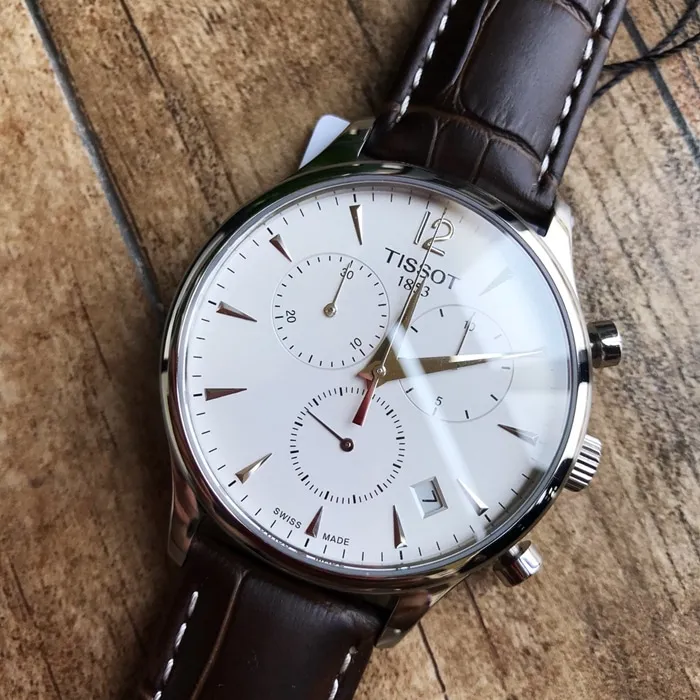
Genuine Tissot cases are precision-machined, with smooth edges and a consistent finish that catches the light evenly. A-goods versions might look similar at a glance, but run your finger along the lugs—if you feel any roughness or unevenness, that's a red flag. The caseback should also align perfectly with the case, without gaps or misalignment. Compare the proportions to official Tissot images; even a slight deviation in the curve or thickness can indicate a replica.
Dial Details Are Telling
The dial is where Tissot's craftsmanship really shines. Authentic dials have crisp, perfectly aligned printing, with the logo and text sharp and clear. On A-goods, you might notice slight smudging, uneven spacing, or fonts that look just a bit off. The date window, if present, should sit perfectly centered, and the magnification lens (if any) should be distortion-free. Also, check the hands—genuine Tissot hands are polished and sweep smoothly, while replicas may have a rougher finish.
What About the Movement?
Many A-goods Tissot watches use a universal movement—a generic automatic or quartz caliber that isn't made by Tissot. While you can't always see the movement without opening the case, you can listen. A genuine Swiss movement has a smooth, consistent tick, while an A-goods might have a louder, less refined sound. If you can open the caseback (or if the seller allows it), look for the Tissot logo and Swiss markings on the movement—if they're missing, it's likely a replica.
Check the Glass and Markings
Sapphire crystal is standard on most genuine Tissots. Tap it gently with your fingernail—a real sapphire crystal produces a distinct, clear ring, whereas mineral glass or acrylic will sound duller. Also, examine all engravings: the caseback, buckle, and even the strap imprints should be deep and precise. Genuine Tissot watches often have a unique serial number that matches the certificate and the caseback—if the numbers seem random or don't align, be suspicious.
Strap and Packaging
Genuine Tissot straps, especially leather ones, are made from high-quality materials and are stitched neatly. A-goods might use cheaper leather or synthetic materials that feel stiff. The watch box and certificate are also clues: authentic Tissot packaging is elegant, with a certificate that includes the model and serial number, sometimes with a perforated punch to prevent forgery. If the box feels flimsy or the certificate looks generic, it's a warning sign.
Why It Matters
Choosing a genuine Tissot isn't just about the brand name—it's about the quality, reliability, and the pleasure of wearing a well-crafted timepiece. A-goods may look the part, but they often lack the durability and precision that Tissot is known for. By learning to spot the differences, you're not just protecting your investment; you're ensuring that every glance at your wrist brings a smile, not a doubt.
More Questions About Tissot A-Goods
How much does a genuine Tissot cost compared to an A-goods? -
Is it worth buying an A-goods Tissot if you're on a tight budget? -
Can an A-goods Tissot pass as a real one to the average eye? -
What are the most common Tissot models that get replicated? -
How can you verify the authenticity of a Tissot you already own? -
Does the case shape differ between A-goods and genuine Tissot models? -
Are there specific dial details that fake Tissot watches always get wrong? -
What movement does a genuine Tissot use, and why does it matter? -
Can a universal movement be serviced like a Swiss one? -
How does the weight of a genuine Tissot compare to an A-goods? -
What should you look for in the Tissot logo on the dial? -
Is the sapphire crystal test reliable for spotting a fake Tissot? -
Are there any serial number checks you can do online for Tissot? -
Do A-goods Tissot watches come with the same box and papers? -
How can you tell if a Tissot strap is genuine leather or not? -
What is the resale value of a genuine Tissot versus an A-goods? -
Are there any authorized dealers that sell A-goods Tissot? -
What are the best ways to avoid buying a fake Tissot online? -
How often do you need to service a genuine Tissot movement? -
Can a jeweler tell the difference between an A-goods and a genuine Tissot? -