Article
Wear Edit: Why Your One-to-One Watch's Hand-Finished Details Matter
Quick Questions
Ever wondered why some watch details look sharper than others? -
Are handmade touches really a sign of higher quality in a replica? -
Can you actually spot the difference between hand-finished and machine-made parts? -
Is it worth paying extra for a watch with more handwork? -
How does mechanized production shape the watches you wear today? -
If you have ever spent time around horology, you have probably heard the debate about handmade versus machine-made watches. It is easy to assume that anything crafted by hand must be better, but the truth is far more nuanced. The modern wristwatch exists only because of machine-driven assembly. Think about it: without serialized production, there would be no affordable, reliable timepieces strapped to your wrist.
Take the Swiss town of La Chaux-de-Fonds, for example. It is famous as a watchmaking hub and even a UNESCO World Heritage site. However, its story is a lesson in adaptation. The craftsmen there initially resisted mechanization, and many brands faded away. Only a few, like Girard-Perregaux, managed to evolve and survive. Those that relocated to the neighboring canton of Bern—think Omega and Longines—embraced new production methods and became global icons. Today, La Chaux-de-Fonds serves as an OEM base for many famous names, all operating with modern machinery.
So, who still champions handcraft? The answer lies in the prestigious “appellations” like Geneva and Tenugui, where traditional hand-decoration is preserved. These regions produce watches with hand-beveled edges, polished anglage, and other fine details that machines cannot replicate. But does that mean machine-made watches are inferior? Not necessarily. For everyday wear, a well-made machine-finished watch can offer excellent value and durability.
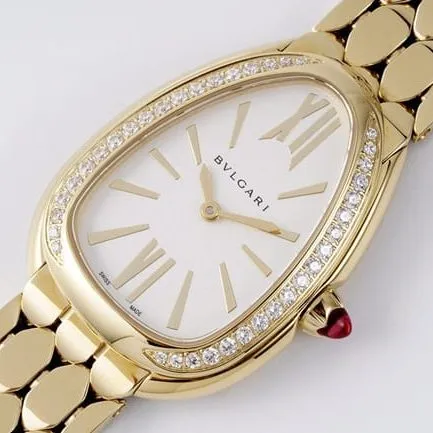
When you are looking at a one-to-one replica, the level of hand finishing can be a key indicator of quality. High-end replicas often mimic the handwork of their genuine counterparts, with visible differences in the finish of the movement, the sharpness of the engravings, and the smoothness of the case. Knowing what to look for—like the precision of the bevels or the consistency of the polishing—can help you choose a watch that feels both luxurious and reliable.
Ultimately, the choice between handmade and machine-made comes down to your priorities. If you value tradition and artistry, seek out pieces with more manual touches. If you prefer practicality and performance, a machine-made watch will serve you just fine. Both have their place in your collection.
More Questions About One-to-One Watches
How much should I pay for a one-to-one watch with hand-finished details? -
Is a one-to-one replica worth the investment compared to other replicas? -
What are the key differences between hand-finished and machine-finished one-to-one watches? -
Where can I find the best one-to-one replica watches with authentic handwork? -
Are handmade details on a replica watch a sign of higher quality? -
How can I tell if a one-to-one watch has genuine hand-decorated movement parts? -
What is the typical lifespan of a one-to-one watch with machine-made parts? -
How does the resale value of a one-to-one watch compare to a genuine model? -
Can a one-to-one watch with hand-finished details be more accurate than a machine-made one? -
What should I look for in the movement of a one-to-one watch to ensure quality? -
Are there any reliable online retailers for one-to-one watches with Swiss-like finishing? -
How do I maintain a one-to-one watch with intricate hand-finished components? -
Is it easy to spot a one-to-one watch from a genuine just by looking at the details? -
What are the most popular one-to-one watch models among collectors? -
How does the weight of a one-to-one watch compare to the original? -
Can I upgrade the movement of a one-to-one watch to improve its performance? -
Are there any legal risks when buying a one-to-one replica watch online? -
How often should I service a one-to-one watch with hand-finished parts? -
What is the best way to verify the authenticity of a one-to-one watch's details? -
Does a one-to-one watch with handwork hold its value better than a machine-made one? -