Article
Factory Watch Wear Edit: Daily Style with ETA Movements
Quick Questions
Ever wonder how some watches get assembled from leftover parts? -
Curious if a factory watch can be a smart daily wear choice? -
Want to know which movements actually power these entry-level pieces? -
Thinking about how a factory watch fits into your everyday style? -
Asking yourself if the quality of a factory watch is worth it? -
When you first hear about factory watches, it’s easy to picture a dull, mass-produced timepiece. But the story behind these entry-level models is more interesting than you might expect. Many famous Swiss and European labels quietly outsource production of their basic lines to skilled domestic manufacturers. Some contracts cover the entire watch, while others involve supplying materials and letting the factory handle assembly. Because these entry-level pieces sell in huge numbers, the manufacturing process is straightforward, and that’s where the magic begins.
After the main production run, factories often end up with surplus original parts—cases, dials, straps, and even assembled movements. These aren’t cheap imitations; they are genuine components that were ordered for the official production. Sometimes the factory’s inventory counts are slightly off, and a few extra pieces remain. These leftover parts are then fitted together to create a complete watch that’s as close to the original as you can get without walking into a boutique.
What Makes These Watches Tick?
Most of these factory-assembled pieces rely on ETA or SW movements. Since entry-level models typically use these proven calibers, the internal dimensions of the case—like the size and thickness of the inner cover—are already perfectly matched. All the assembler needs to do is source the same type of ETA or SW movement, and everything clicks into place. That’s why you’ll rarely see a factory watch with a manufacture movement; those are too specific, and the parts wouldn’t fit any other caliber.
So, what does this mean for you? It means you can get a watch that looks and feels like the genuine article, with the same precision and reliability, at a fraction of the retail price. The only real difference is that these pieces didn’t go through the final brand assembly line, so they might lack the official warranty or packaging. But for everyday wear, they’re a fantastic choice.
How to Wear a Factory Watch
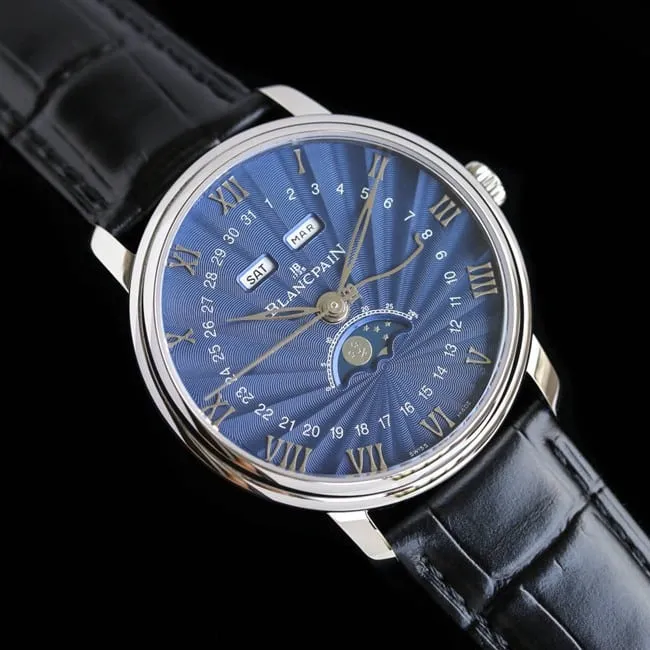
Think of a factory watch as your go-to daily companion. Pair it with a casual blazer for a smart-casual look, or let it shine on the weekend with a simple tee and jeans. The classic designs and robust movements make them versatile, whether you’re at the office or out on the town. Plus, since you’re not paying for the brand’s marketing, you can afford to own several different styles without breaking the bank.
One thing to keep in mind: these watches aren’t officially serviced by the brand, so you’ll want to find a trusted watchmaker for regular maintenance. But with proper care, they can last for years and become a staple in your collection.
More Questions About Factory Watches
Is a factory watch worth buying for daily wear? -
Does a factory watch use sapphire crystal? -
What movement powers a factory watch? -
Is a leather strap good for everyday use? -
Where can you buy a factory watch online? -
How accurate is a factory mechanical watch? -
What case size is best for a factory watch? -
Does a factory watch come with a leather strap? -
Is a factory watch better than a ZF version? -
How can you spot a top-quality factory watch? -
What dial options are available on a factory watch? -
Is a gold case on a factory watch worth it? -
What is the overall quality of a factory watch? -
How does a factory watch compare to a genuine model? -
What strap fits a factory watch best? -
Which factory makes the best replica watches? -
How thick is the case on a factory watch? -
Does a factory watch include box and papers? -
What is the best price for a factory watch? -
Is a blue dial on a factory watch popular? -