Article
Wear Edit: Fine Imitation Watches — How Movement Quality Reveals Real vs Fake
Quick Questions
Ever wondered what really sets a fine imitation watch apart from a cheap fake? -
Can you spot a genuine Swiss movement just by looking at the timekeeping? -
Why do some replica watches feel so close to the original while others don't? -
Is the movement inside a watch the ultimate tell for authenticity? -
How much should you trust a domestic movement in a luxury-style timepiece? -
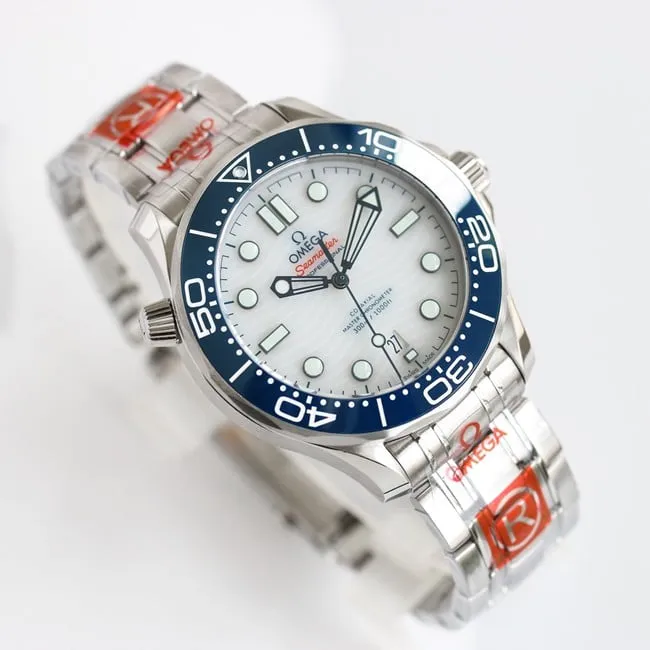
When you're shopping for a fine imitation watch, the word “fine” isn't just a fancy label—it points to a level of craftsmanship that mimics the look and function of high-end brands without the designer price tag. These pieces are built by smaller manufacturers who study the design and mechanics of popular models, then produce their own versions at a fraction of the cost. The goal is to give you that luxury feel on your wrist, whether you're dressing up for a special event or adding a sporty edge to your daily rotation.
The Heart of the Matter: What's Inside Your Watch
At the core of any watch—real or imitation—is the movement, the engine that keeps time. In many budget-friendly domestic movements, you'll find basic timekeeping, but they often lack the “running seconds” complication, where the second hand glides smoothly instead of ticking. Fine imitations, however, often go a step further by using Swiss-made movements, because those are renowned for precision and durability. Swiss manufacturers like ETA produce movements that are not only accurate but also beautifully finished, and they're used by top-tier brands like Rolex and Omega as a base for their own modifications.
Here's a little insider secret: genuine Swiss movements aren't sold to just anyone. They're made in limited quantities and reserved for established watch houses. That's why when you find a replica watch with a real ETA movement inside, it's a sign of higher quality—it's nearly identical to what you'd find in an authentic timepiece. But don't get too excited; many so-called “Swiss” movements in the market are actually clones made in Asia, especially in China.
Spotting the Difference: ETA vs. Domestic Clones
Domestic manufacturers have gotten quite good at producing ETA clone movements. The ETA 2824-2 and 2892 are common bases, and the 2836 is often used to imitate Rolex models. Seagull's version of the 2892 is particularly impressive—from the polishing to the overall look, it's hard to tell apart from the real ETA. This movement is frequently found in replica Longines watches and can be purchased online for around $150 to $400. But here's the catch: while these clones perform well in accuracy tests, they may not have the same longevity or fine finishing as the genuine article. So, when you're inspecting a potential purchase, look at the movement through the case back. Check for engravings, the rotor's design, and the overall cleanliness. Genuine ETA movements have sharp, crisp markings and a certain heft.
Why Movement Matters for Your Wrist Style
For the everyday wearer, the movement isn't just about technical specs—it affects how the watch feels and performs. A smooth sweeping second hand adds a touch of elegance, while a noisy tick can feel cheap. Fine imitation watches with Swiss or high-quality clone movements offer that satisfying glide, making them perfect for both dressy occasions and casual outings. Plus, they keep accurate time, so you're not constantly adjusting your watch. When you're out there exploring options, remember that the movement is your friend—it's the quickest way to gauge the quality of a replica without needing a professional's eye.
More Questions About Fine Imitation Watches
How can you tell if a fine imitation watch uses a real Swiss ETA movement? -
What are the key differences between a domestic clone movement and a genuine ETA? -
Is a fine imitation watch with a Swiss movement worth the higher price? -
Which watch brands are most commonly imitated with ETA movements? -
How does the running seconds complication affect a watch's value? -
Can you rely on a domestic movement for accurate timekeeping every day? -
What should you look for in the movement when buying a replica Rolex? -
Are Seagull clone movements as reliable as the real ETA 2892? -
Why do some fine imitation watches fail to match the original's performance? -
How much does it cost to replace a movement in a fine imitation watch? -
What's the best way to verify the authenticity of a Swiss movement in a replica? -
Do fine imitation watches hold their resale value if they have a Swiss movement? -
How can you spot a poorly finished movement in a cheap fake? -
Are there any visual cues on the dial that hint at the movement quality? -
What maintenance does a fine imitation watch with a Swiss movement require? -
Can a domestic movement be modified to improve its accuracy? -
What are the ethical considerations of buying a fine imitation watch? -
How does the movement's jewel count influence the watch's durability? -
Is it possible to upgrade the movement in an existing fine imitation watch? -
Where can you find reliable information about movement comparisons for replica watches? -