Article
Wear Edit: High-End Replica vs Genuine Watches — What You Notice on the Wrist
Quick Questions
Ever wonder how a top-tier replica compares to a genuine Rolex on the wrist? -
Are the differences in movement and finishing really visible to the average person? -
What makes a high-end replica feel so close to the original? -
Is it worth paying a premium for a replica that mimics a luxury watch? -
How do you spot the subtle cues that separate a super clone from the real deal? -
When you're shopping for a luxury-inspired timepiece, the line between a high-end replica and a genuine watch can seem blurry. But once you know what to look for, the distinctions become clear. Let's break down the three big areas: the movement, the polishing, and the materials. Each one plays a role in how the watch feels, looks, and performs on your wrist.
The Heart of the Matter: Movement Differences
The movement is the engine of the watch. Genuine Swiss watches, like a Rolex, use meticulously crafted mechanical movements that are often hand-assembled and tested for precision. High-end replicas, on the other hand, typically use Japanese or Chinese movements that are cloned to mimic the original design. While these replicas can be surprisingly accurate, they may not have the same longevity or serviceability. For everyday wear, a good replica movement will keep time well, but it's not the same as owning a certified chronometer with a five-year warranty.
Polishing: The Art of Shine
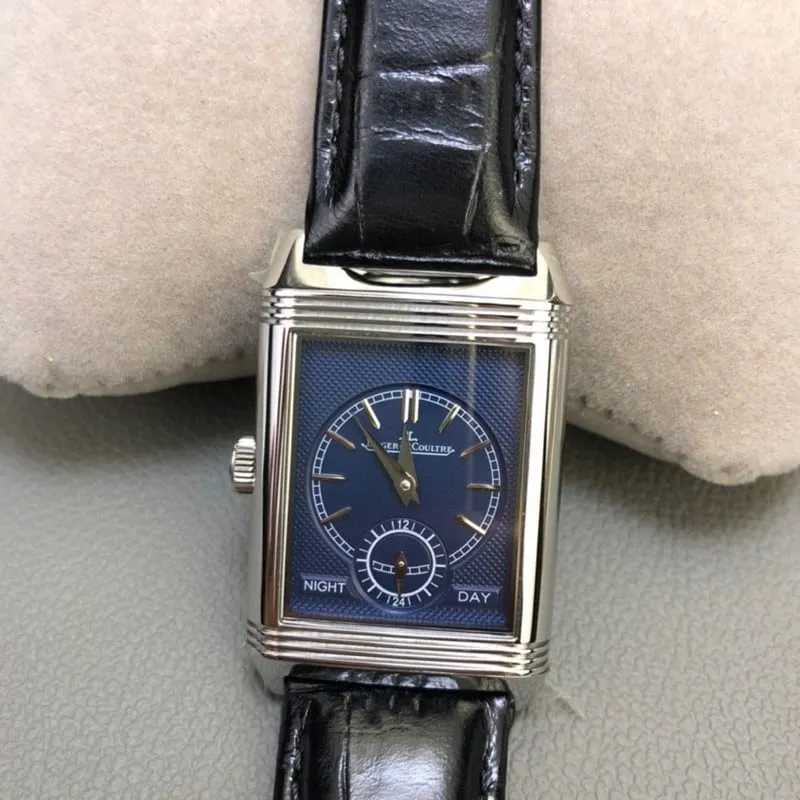
The finishing of a watch case and bracelet is where experts can often spot a replica. Genuine watches are polished and brushed with extreme precision, using techniques that create a flawless, mirror-like shine on the bezel and a subtle satin finish on the links. High-quality replicas have improved dramatically in this area, but they may have slightly less crisp edges or uneven brushing under a loupe. For most people, though, the difference is invisible to the naked eye. It's only when you compare side by side that you might notice the micro-details.
Materials: What You Feel on the Skin
The materials used in a watch affect its weight, durability, and comfort. Genuine Rolex watches use 904L stainless steel, which is more corrosion-resistant and takes a higher polish than the 316L steel used in most replicas. Replicas often use 316L, which is still good quality but slightly lighter. Some high-end replicas now use 904L to mimic the feel, but it's not always exact. The sapphire crystal, gaskets, and crown materials also differ. A genuine watch will have a certain heft and cold-to-the-touch feel that a replica may not fully replicate.
Beyond the Physical: Cultural and Investment Value
There's also the intangible aspect. A genuine watch carries a brand heritage and status that a replica can't provide. Even a so-called “mafia” Rolex—one that's been passed down or bought in a shady deal—doesn't guarantee it's a good investment. In fact, most watches depreciate over time, so they're not a smart financial move. But the emotional value and the craftsmanship of a genuine piece are what collectors cherish. For many, the allure is the story, the engineering, and the community, not just the look.
Maintenance and Water Resistance: What You Need to Know
Whether you buy genuine or a high-quality replica, regular maintenance is key. A mechanical watch should be cleaned and re-oiled every two to three years to keep it running smoothly. Quartz watches need less care, as their movement is more robust. Water resistance is another area of confusion. A watch marked “30 meters” or “50 meters” isn't meant for swimming; it's just splash-proof. The gaskets and seals wear out over time, so even a genuine watch should be checked before water exposure. Replicas often have similar ratings, but you may want to be extra cautious, as the seals might not be as reliable.
Reputation and Craftsmanship
Finally, consider the maker's reputation. At USATWO Watches, we take pride in offering timepieces that are as close to the originals as possible, using high-grade materials and careful assembly. Our reputation is built on quality and attention to detail, ensuring that each watch we produce lives up to expectations. When you choose a high-end replica, you're not just buying a watch—you're buying a piece that mimics the look and feel of a luxury item, but with a more accessible price tag.
More Questions About High-End Replica vs Genuine Watches
How much does a genuine Rolex cost compared to a high-quality replica? -
Is a high-end replica worth buying if you're on a budget? -
What are the key differences between a replica and a genuine Rolex movement? -
Can you tell a high-end replica from a genuine watch at a glance? -
How do experts authenticate a Rolex case and dial? -
What is the best way to maintain a high-end replica watch? -
Are high-end replicas water-resistant like genuine watches? -
How long does a replica watch movement last compared to a Swiss movement? -
What materials are used in high-end replica watch cases? -
Is it legal to buy a high-end replica watch? -
Do high-end replicas hold any resale value? -
How can you tell if a Rolex movement is real or a clone? -
What is the difference in polishing between a genuine and a replica watch? -
Can ordinary people spot the difference between a replica and a genuine watch? -
Why do some people prefer replicas over genuine watches? -
What is the best way to check the quality of a watch case polishing? -
How does a high-end replica compare to a genuine watch in terms of weight? -
Are there any telltale signs that a watch is a high-quality replica? -
What is the best replica watch for daily wear? -
Where can you buy a high-end replica watch online? -