Article
Rolex Wear Edit: Parachrom Blue vs Syloxi Silicon – Which Hairspring Suits Your Daily Style?
Quick Questions
Ever wondered why your Rolex feels so resilient to magnetic fields? -
Is the blue hairspring in men’s models really the best choice for everyday wear? -
Why does a ladies’ Rolex get a silicon hairspring while the men’s versions stick to metal? -
Could a silicon hairspring make your Rolex even more accurate in real life? -
What’s the real story behind Rolex’s two hairspring technologies? -
When you slip on a Rolex, you’re not just wearing a timepiece—you’re carrying a piece of engineering art. But did you know that inside many modern Rolex watches, there are two very different hairsprings at work? For the everyday wearer, this isn’t just technical jargon; it’s about how your watch handles life’s bumps, temperature swings, and even that phone magnet on your desk.
Two Springs, Two Personalities
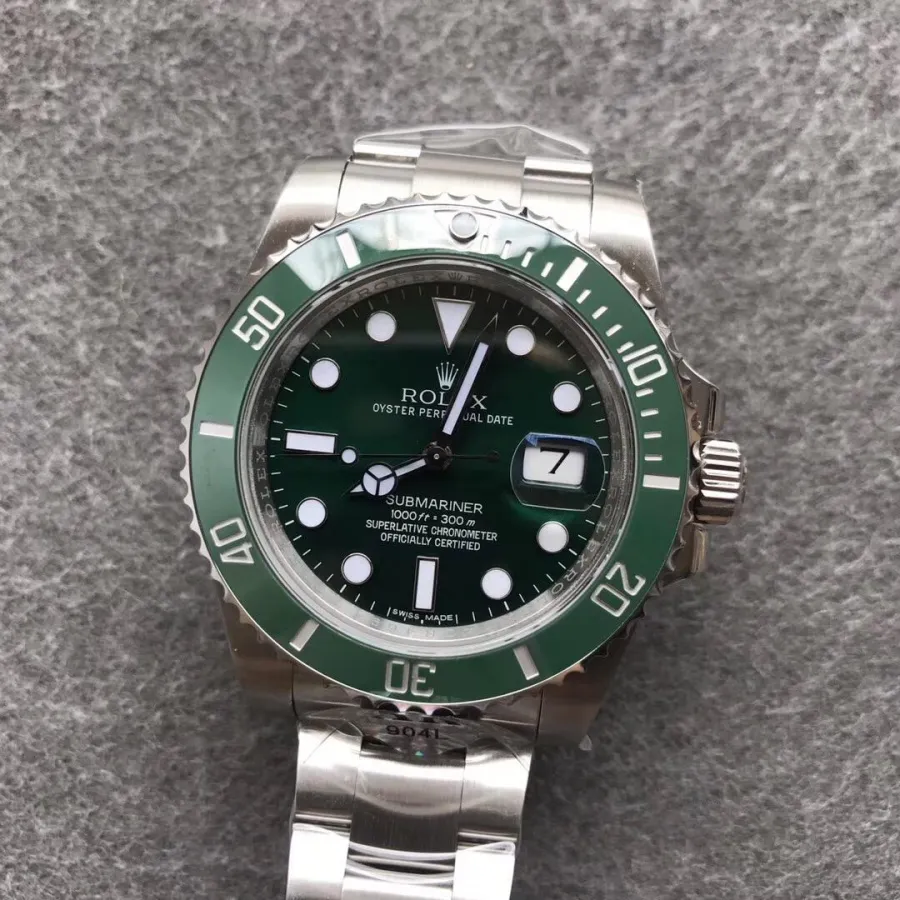
Rolex currently fits its watches with either the Parachrom Blue hairspring or the Syloxi silicon hairspring. The Parachrom Blue, with its iconic blue hue, is found in most men’s models—think the Submariner, GMT-Master II, and Daytona. It’s a niobium-zirconium alloy that Rolex introduced back in 2000 with the Daytona 116520. Meanwhile, the Syloxi silicon spring is reserved mainly for ladies’ watches, like those powered by the Caliber 2236. So, why the split? It’s a tale of tradition, performance, and practical choices.
The Blue Alloy That Started It All
Before Rolex developed its own blue spring, a similar niobium-zirconium alloy appeared in the late ’80s in an IWC Ingenieur model. That early experiment showed incredible anti-magnetic potential—over 6,000 gauss—but was too costly and tricky to mass-produce. Rolex took that concept, invested heavily, and perfected it into the Parachrom Blue we know today. It’s more than just a pretty color; it’s 10 times more shock-resistant than a traditional hairspring and shrugs off magnetic fields up to 6250 gauss. For your daily gym session or a busy commute, that means your Rolex keeps ticking accurately even when life gets chaotic.
Silicon’s Quiet Rise in Ladies’ Lines
When silicon hairsprings burst onto the watch scene in the early 2000s, Rolex was part of a consortium that helped develop the technology. But they didn’t rush it into their men’s sports watches. Instead, they waited until 2014 to debut the Syloxi silicon spring—and only in the ladies’ Caliber 2236. Why? Silicon is virtually immune to magnetism, even more so than Parachrom Blue. It also allows for a perfectly flat, symmetrical design that reduces positional errors. For a smaller, more delicate ladies’ watch, this technology makes perfect sense: it’s light, precise, and incredibly resilient.
Why Not One Spring for All?
You might ask, “If silicon is so great, why doesn’t every Rolex use it?” The answer lies in the movement design. Rolex’s newer 32-series movements (like the 3235) are built around a new escapement called Chronergy. This efficient, nickel-phosphorus escapement works hand-in-hand with the Parachrom Blue spring to boost power reserve to 70 hours. The Syloxi spring, while amazing, isn’t currently compatible with that setup. So, Rolex made a smart choice: keep the proven blue spring in high-performance men’s watches, and let silicon shine in the ladies’ lineup where its benefits are most pronounced.
Your Rolex, Your Style
When you’re choosing your next Rolex, think about how you’ll wear it. If you lead an active life and want a watch that laughs off magnetic fields and rough-and-tumble days, a men’s model with the Parachrom Blue is your reliable companion. If you prefer a smaller, elegant piece with cutting-edge technology, a ladies’ Rolex with the Syloxi spring offers that futuristic edge. Either way, you’re getting Rolex’s best thinking—just tailored to different wrists and lifestyles.
More Questions About Rolex Hairsprings
Is the Parachrom Blue hairspring only for men’s Rolex watches? -
Why did Rolex choose silicon for the Caliber 2236? -
Which Rolex movement is more accurate: the 3235 or the 2236? -
Can the Syloxi silicon hairspring handle extreme temperatures? -
What’s the difference between Parachrom Blue and Syloxi in daily wear? -
Is the Daytona 116520 the first Rolex with Parachrom Blue? -
Does the Rolex 3135 have a Parachrom Blue hairspring? -
Why doesn’t Rolex use silicon in the Submariner? -
Are Rolex hairsprings actually anti-magnetic for everyday use? -
How much does a Rolex hairspring replacement cost? -
Is a silicon hairspring better for a watch collector? -
Why are women’s Rolex watches getting silicon springs? -
Will Rolex ever switch all models to silicon? -
What makes Parachrom Blue 10 times more shock-resistant? -
How does the Chronergy escapement work with Parachrom Blue? -
Can you upgrade a Rolex to a silicon hairspring? -
Why is the Syloxi spring only in the 2236 movement? -
What’s the best Rolex movement for daily wear? -
Is the Parachrom Blue hairspring more durable than Syloxi? -
Where can I buy a Rolex with the Syloxi silicon hairspring? -