Article
Chronograph vs Dive Watch: The Practical Choice for Your Wrist
Quick Questions
Ever wondered which sports watch truly fits your daily life best? -
Are chronographs only for racers, or can they be everyday companions? -
Do dive watches offer more than just water resistance for the average wearer? -
Confused about choosing between a chronograph and a dive watch? -
Which style adds more versatility to your watch collection? -
When you think about sports watches, two iconic styles usually come to mind: the chronograph and the dive watch. Each carries a rich heritage—one evokes the thrill of motor racing and aviation, while the other brings to mind underwater adventures. But beyond their looks, how do they serve you in your everyday routine? For many, sports watches are not just about style; they're about practicality. So, which of these two workhorses is more useful in daily life? Let's break it down.
The Chronograph: A Tool for Precision Timing
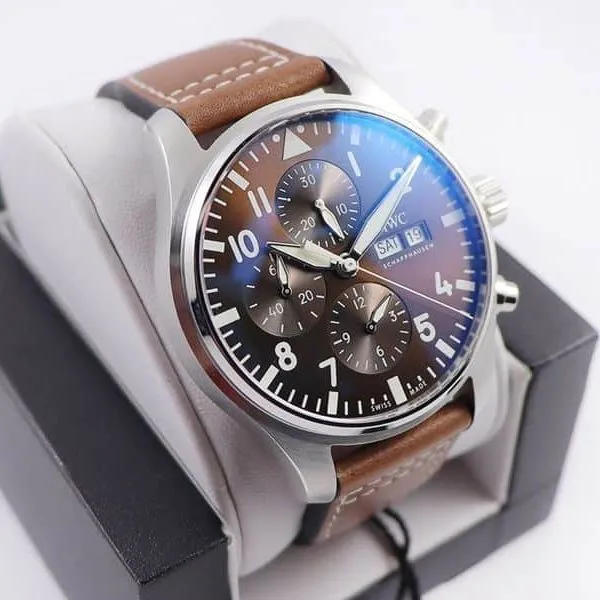
A chronograph is essentially a stopwatch built into a watch. It allows you to measure elapsed time with precision, often down to fractions of a second. This feature is handy for timing workouts, cooking, or even parking meters. The sub-dials and pushers add a layer of complexity that some find appealing, both aesthetically and functionally. Historically, chronographs were used in racing and aviation, but today, they're more about style and occasional utility. The tachymeter bezel, for instance, lets you calculate speed over a known distance—a cool party trick, though rarely used in daily life.
However, chronographs have their downsides. Their intricate mechanisms make them more fragile and expensive to maintain. A knock or drop could disrupt the delicate timing functions. Also, due to the complexity, they tend to cost more than simple dive watches. But if you appreciate mechanical sophistication, a chronograph is a rewarding choice.
The Dive Watch: Built for Rugged Reliability
Dive watches are designed for underwater exploration, but they've become a favorite for everyday wear due to their durability and bold looks. Key features include water resistance (usually at least 100 meters), a unidirectional rotating bezel for tracking dive time, and luminous markers for visibility in the dark. These attributes translate well to daily life: you can swim, shower, or get caught in the rain without worry. The bezel is also useful for timing things like parking meters or laundry cycles, albeit with less precision than a chronograph.
Dive watches are generally more robust and can handle rough treatment better than chronographs. They're also often more affordable, as their movements are simpler. For most people, the dive watch's practicality and resilience make it a more sensible daily companion.
So, Which One Should You Choose?
Ultimately, the choice depends on your lifestyle and preferences. If you need precise timing features and love the mechanical complexity, a chronograph is a great fit. But if you value durability, water resistance, and a versatile look that works from the beach to the office, a dive watch is hard to beat. Many collectors end up owning both, but if you're starting out, a dive watch often offers the best balance of form and function.
More Questions About Chronograph vs Dive Watch
How much does a quality chronograph cost? -
Is a dive watch better than a chronograph for everyday wear? -
What movement powers a typical chronograph? -
Are chronographs more fragile than dive watches? -
Can a dive watch handle swimming or snorkeling? -
What is the water resistance rating needed for a dive watch? -
Do chronographs have a tachymeter bezel? -
Are dive watches suitable for formal attire? -
How accurate is a mechanical chronograph? -
What is the average case size for a dive watch? -
Is a dive watch with a leather strap a good idea? -
Where can I buy a reliable chronograph or dive watch? -
How do I maintain a diving watch bezel? -
What are the pros and cons of a chronograph vs a dive watch? -
Can I use a dive watch bezel as a GMT? -
Are there popular blue dial dive watches? -
How thick is a typical dive watch case? -
Is a dive watch worth the investment? -
What is the best price range for a good dive watch? -
Are chronographs harder to service than dive watches? -