Article
Longines Wear Edit: The Everyday Luxury Watch for Style and Value
Quick Questions
What makes Longines a go-to for affordable luxury? -
Is Longines the right pick for your daily rotation? -
How does Longines balance heritage and modern style? -
Where does Longines fit in the Swiss watch hierarchy? -
Why are Longines watches so loved by collectors and newcomers alike? -
When you’re exploring Swiss watchmaking, Longines often pops up as a name that feels both familiar and respected. It sits in that sweet spot—not the top-tier haute horlogerie, but far above entry-level fashion pieces. Think of it as the smart choice for someone who wants genuine Swiss craftsmanship without the eye-watering price tag of a Patek or a Vacheron Constantin.
Longines has carved out a niche in the $1,000 to $2,000 range, which is a sweet zone for many watch lovers. You’re getting a piece that carries decades of history and a reputation for reliability, all while keeping your budget intact. It’s the kind of watch you can wear to the office, out to dinner, or on a weekend adventure, and it always feels appropriate.
What really sets Longines apart is its rich past. Back in the 1950s, when the brand was independent, it was a powerhouse in timekeeping. They weren’t just assembling watches; they were engineering in-house movements that competed with the best. The famous 13ZN chronograph caliber from 1936 is a prime example—a beautifully crafted column-wheel movement that even today would impress the likes of Patek or Breguet. That heritage is something you can feel when you strap on a modern Longines.
Then came the quartz crisis of the 1970s, which shook the entire industry. Longines, like many others, struggled and was eventually absorbed by the Swatch Group. While Omega received the spotlight, Longines was repositioned as a more accessible, yet still prestigious, option. This turned out to be a blessing in disguise. By focusing on classic elegance and reliable performance, Longines has become a favorite among those who value understated luxury.
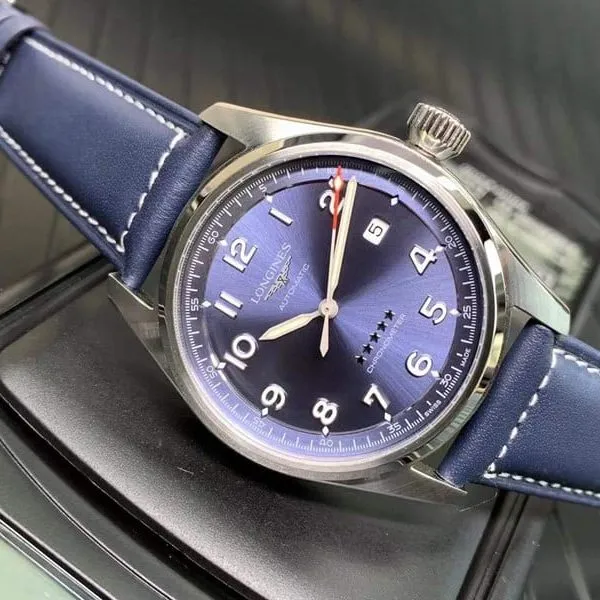
Today, Longines is known for its clean dials, elegant cases, and movements that punch above their weight. Whether you’re looking at a Heritage piece that nods to the past or a modern Conquest that’s built for daily wear, you’re getting a watch that feels substantial and refined. It’s no wonder Longines enjoys such a loyal following—it’s a brand that understands what watch enthusiasts truly want: quality, style, and value.
More Questions About Longines Watches
Is Longines considered an entry-level luxury watch brand? -
How does Longines compare to Omega in terms of prestige? -
What is the typical price range for a Longines watch? -
Why are Longines watches so popular among watch collectors? -
Are Longines watches a good investment for resale? -
What movements does Longines use in their watches? -
How accurate are Longines mechanical movements? -
What is the difference between Longines Heritage and Conquest lines? -
Does Longines use sapphire crystal on all models? -
What is the ideal case size for a Longines watch on a small wrist? -
Can I wear a Longines watch for sports and swimming? -
Is the Longines leather strap durable for daily wear? -
Where is the best place to buy a genuine Longines watch online? -
How do I authenticate a pre-owned Longines watch? -
What is the water resistance rating on Longines dive watches? -
Does Longines offer chronograph models like the 13ZN today? -
How often does a Longines automatic watch need servicing? -
Is a Longines watch worth the price compared to other Swiss brands? -
What are the best Longines models for a dress watch style? -
How does Longines fit into the Swatch Group's brand hierarchy? -