Article
Tissot 1853 Wear Edit: Daily Swiss Charm for Budget-Minded Collectors
Quick Questions
Ever wondered why Tissot stamps 1853 on every dial? -
Can a Swiss watch under $500 really deliver daily wear satisfaction? -
What makes the Le Locle heritage so special for modern shoppers? -
Is the plus sign in the Tissot logo more than just decoration? -
How does Tissot compare to Longines for everyday style? -
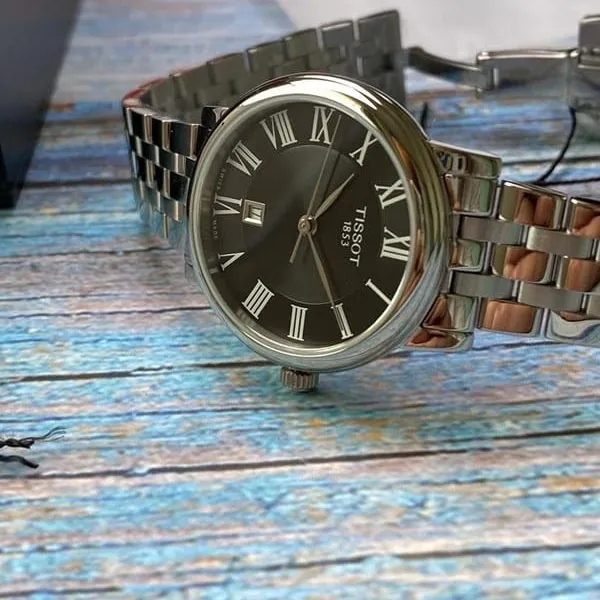
When you slip on a Tissot, you're not just telling time—you're wearing a piece of Swiss watchmaking heritage that began in 1853 in the charming town of Le Locle. That iconic '1853' on the dial isn't just a date; it's a badge of tradition that has evolved into a symbol of accessible luxury. The plus sign in the logo? It's a nod to Swiss quality, a mark that Tissot has upheld for over 170 years.
For those who love the look of a fine timepiece without breaking the bank, Tissot sits perfectly in the sweet spot. It's part of the Swatch Group, which places it a notch below Longines in the brand hierarchy, but that doesn't mean you're compromising on style. In fact, Tissot is a volume leader in Swiss watch sales, outpacing many high-end names in sheer popularity, thanks to its approachable pricing.
Let's talk about what you're actually getting. Tissot uses 316L stainless steel cases and sapphire crystals even in their entry-level quartz models—a move that many competitors reserve for pricier pieces. That means your daily wear can handle scratches and bumps with grace. The movements are typically ETA-based, including the reliable Powermatic 80, which offers a solid 80-hour power reserve. It's the same caliber found in some pricier brands, so you're getting genuine value.
With dozens of series to choose from, Tissot has a style for every wrist—from sporty chronographs to elegant dress watches. Prices start around $300 for quartz and climb gently for mechanicals. While some budget mechanicals use a plastic movement, the ETA-equipped models are the ones to snag for their durability and accuracy.
Now, about the investment question—most watches don't appreciate in value, and Tissot is no exception. But if you're deciding between a Tissot and saving up for a Longines, consider this: with $500 in hand, a Longines isn't within reach, but a Tissot Le Locle can be yours today. That immediate satisfaction and the confidence it brings to your daily outfit is a kind of return in itself.
In the end, Tissot is about smart spending. If you're after a good-looking, reliable Swiss watch that won't leave your wallet gasping, Tissot is a go-to. It's a brand that respects your budget while still delivering that premium feel.
More Questions About Tissot 1853
Is Tissot 1853 a good watch brand for daily wear? -
Why is Tissot called Tissot 1853 on the dial? -
What is the history of Tissot Le Locle in Switzerland? -
What does the plus sign mean on the Tissot logo? -
Is Tissot owned by the Swatch Group? -
Is a Tissot 1853 worth buying for a first Swiss watch? -
Where is the Tissot Le Locle factory located? -
How has Tissot's watchmaking evolved since 1853? -
What is the meaning of the '1853' engraved on Tissot watches? -
How does Tissot's positioning compare to Omega in the Swatch Group? -
Is Tissot an entry-level Swiss watch brand? -
How old is the Tissot watch brand in 2024? -
What does the slogan 'This Is Your Time' really mean? -
Is Tissot better than Longines for budget shoppers? -
How is the Tissot 1853 logo explained in detail? -
Which Swatch Group brands sit above Tissot in price? -
Is Le Locle still a major watchmaking center today? -
Is Tissot 1853 a luxury watch or more of an accessible piece? -
How does the Tissot 1853 stamped case back add to its appeal? -
Why are Tissot watches cheaper than Omega while sharing the Swatch Group? -