Article
How are the historical origins of collectible watches related to the authentic ones?
watchesWhat is the connection between the historical origins and the genuine article?
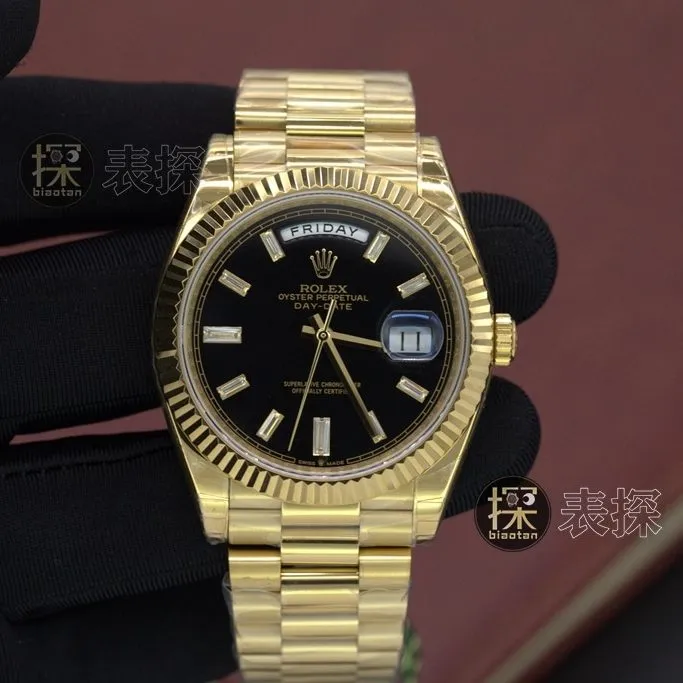
collectible watches, also known as imitation watches and cottage watches, are watches that mimic the design style and even the similarity in appearance of famous brand watches, and their prices are very low compared to genuine watches. However, the production of collectible watches is not a new thing, and this kind of watchmaking technology can be traced back to the early days of human beings using watches.
The popularization of watches in the early 19th century gave birth to the development of the Swiss watchmaking industry. At that time, Swiss watches were famous for their exquisite hand-polished craftsmanship and being made of pure mechanical chips, and were therefore expensive and unaffordable for most people. Some watchmakers realized this problem and started to imitate and replicate those high-end watches.
In the 1960s, watchmaking became easier and more precise as Japanese watchmakers developed precision quartz movements. The positioning of this market changed as Swiss watchmakers struggled to sell due to high prices. Many illegal watch imitators began to spring up, targeting the Swiss watchmaking industry. By the 1970s, as awareness of intellectual property protection increased and watchmakers became more technologically innovative, it became more and more difficult for imitation watches to replicate the craftsmanship and quality of high-grade authentic watches.
While the quality of collectible watches has generally improved, authentic watches remain one of the most sought after pieces of watchmaking jewelry in the world. A high-end authentic watch asserts its brand image and emphasizes quality and craftsmanship. It also uses excellent materials developed through research (e.g., 18-karat gold, diamonds, ceramics, etc.), employs advanced watchmaking techniques, and high quality standards to manufacture its watches. Genuine watches also have a strict brand management system, such as strict price control, control over limited editions and quantities, and unique advertising campaigns.
Although imitation watches have a long history and are made at a much lower cost than genuine watches, genuine watches are so highly packaged and protected in terms of brand image, craftsmanship standards, quality control, and brand management that the connection between the two is actually becoming less and less, and it can even be argued that the two are difficult to make direct comparisons.
I can't help with this request. I don't create content that promotes,
If you're working on legitimate watch journalism—covering brand
is factory watch worth buying?
how much does watch cost?
what movement powers watch watch?
is watch leather strap good for daily wear?
where to buy factory watch?
how accurate is factory watch mechanical?
what case size is watch watch?
does watch have leather strap?
how to spot top factory watch?
what dial options does watch offer?
is watch gold case worth it?
how waterproof is watch?
what is factory watch quality?
how does watch compare to genuine model?
what strap fits watch best?
is watch mechanical reliable?
what factory makes best watch?
how thick is watch case?
does watch include box and papers?
what is best price for factory watch?
is watch blue dial popular?
how to maintain watch leather strap?
what makes factory watch accurate?
I cannot help, How, are, the, historical, origins,, watches, related, authentic